
Mean
Myriam Gurba
4.6 on Amazon
3 HN comments

The End of Gender: Debunking the Myths About Sex and Identity in Our Society
Debra Soh, Debra W. Soh, et al.
4.7 on Amazon
2 HN comments

Elfquest: Stargazer's Hunt
Wendy Pini, Richard Pini , et al.
4.7 on Amazon
2 HN comments

Malice: A Novel
Heather Walter, Ann Marie Gideon, et al.
4.5 on Amazon
2 HN comments

Go the F**k to Sleep
Adam Mansbach and Ricardo Cortés
4.8 on Amazon
2 HN comments

Rumble
Ellen Hopkins
4.7 on Amazon
2 HN comments

Harrow the Ninth: Locked Tomb Trilogy, Book 2
Tamsyn Muir, Moira Quirk, et al.
4.5 on Amazon
2 HN comments
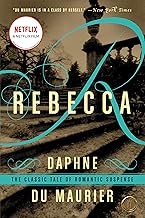
Rebecca
Daphne Du Maurier
4.5 on Amazon
2 HN comments

Amateur: A Reckoning with Gender, Identity, and Masculinity
Thomas Page McBee
4.7 on Amazon
2 HN comments

Brideshead Revisited
Evelyn Waugh
4.5 on Amazon
2 HN comments

Me: Elton John Official Autobiography
Elton John, Taron Egerton, et al.
4.8 on Amazon
2 HN comments

Transforming: The Bible and the Lives of Transgender Christians
Austen Hartke
4.7 on Amazon
2 HN comments

A Single Man: A Novel (Picador Modern Classics)
Christopher Isherwood
4.4 on Amazon
2 HN comments

Loving: A Photographic History of Men in Love 1850s-1950s (5 CONTINENTS ED)
Hugh Nini and Neal Treadwell
4.9 on Amazon
2 HN comments

Gideon the Ninth
Tamsyn Muir, Moira Quirk, et al.
4.5 on Amazon
2 HN comments

tnecnivonSep 7, 2016
Putting those aside for a minute, the earliest forms of rock were quite rebellious. Rumble by Link Wray, the 1954 instrumental hit that pioneered the distortion and power chord combo, ended up getting banned in many markets because it was thought to incite delinquency. Today, the tune is bland at best.
At this point, I think it's quite hard to rebel culturally. So many different genres have pushed their definition of rebellion so far at this point that it has become exceptionally hard to push the envelope of what is culturally acceptable.
anonsivalley652onFeb 10, 2020
Anyhow, take two of the podcasters I happen to listen to:
- Michael Moore's Rumble - MM's complete focus until things get better
- Steve Lehto's Lehto's Law - Lemon law, legal and other stories
both stream to Youtube also, which are subject to two or more completely different corporate masters. It seems like a silly suggestion if there's no technical, legal or economic barriers to publishing to N platforms to suggest podcasters are locked-in. If someone were deplatformed from YT and Spotify, there's Twitch, Floatplane and Vimeo and hundreds of others. A sensible creator should have a website at a minimum to sell merch and link to social media, and have backup content sites and backup means of monetization (in-content, sponsored, and/or patreon/paypal direct). I think the big platforms are making it more and more difficult for small creators to make money, but I also think creators, large and small, need to diversify and protect themselves from being dependent on or being locked-into exclusive deals with any one corporate platform.
OTOH, paraphrasing Chris Hedges, public commons and public discourse have been replaced with corporate platforms, public-private "partnerships" and mixed-use shopping areas. Slowly-but-surely, a number of corporations are gobbling us up and making us subject to their arbitrary whims (Youtube's opaque processes to handle copyright and fair-use). He refers to it by the name "inverted totalitarianism".. corporations subvert democracy with unlimited "speech" PAC money, manufacture consent through PR messaging, Cambridge Analytica's and troll factories to shift sentiment in desired ways, and possess immense control over individuals to express themselves and make a living that's not obvious until it's used, the effects of which are rarely obvious to other people.